Why Bread Bakers Use Bromate (And Why It’s a Big Deal)
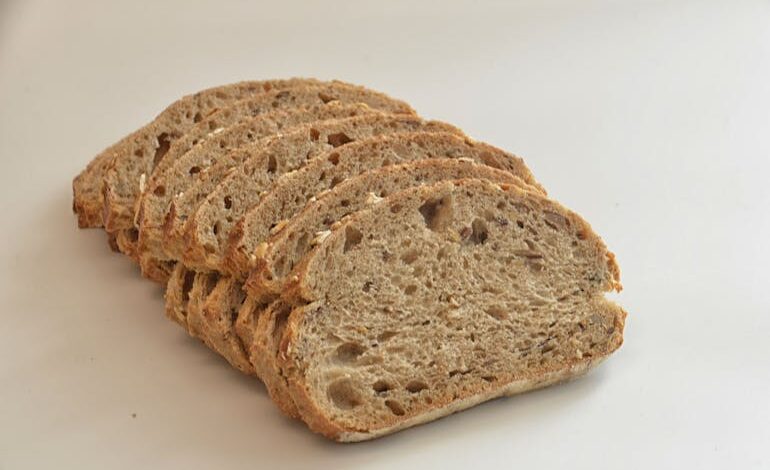
You know that fluffy, soft, and oh-so-yummy loaf you can’t resist? Behind its perfect texture and consistent rise is often a sneaky little ingredient called potassium bromate. For many bakers, it’s like a magic wand—cheap, effective, and powerful. But here’s where the story gets sticky: this ingredient isn’t a crowd favorite in the health world. Let’s break it down.
Potassium bromate is used as a flour improver in bread-making. It’s a super-cheap oxidizing agent that works wonders during dough fermentation and proofing. Basically, it strengthens the bread dough, gives it a good rise, and delivers that soft, spongy texture we all crave. Think of it as a secret ingredient bakers have leaned on for years.
When bromate does its thing, it tweaks the gluten proteins in flour. This makes the final loaf less elastic, lighter, and easier to bite into. It’s like the bread gets an upgrade, and your taste buds get a reward.
Here’s where the plot thickens. While bromate has earned its stripes as a baking MVP, health authorities don’t share the enthusiasm. Agencies like NAFDAC (National Agency for Food and Drug Administration and Control) have been on a mission to boot bromate out of bakeries in Nigeria. Why? Well, studies show that potassium bromate could pose health risks when not fully baked out of bread—and let’s face it, nobody wants to mess with sketchy chemicals in their food.
Recently, NAFDAC has taken a hard stance, shutting down bakeries caught using bromate. Their message is loud and clear: “Stop using bromate or face the music.” And trust me, these guys mean business. They’ve been running routine checks, surprise inspections, and even responding to public complaints about suspicious loaves.
The agency’s Director-General, Mojisola Adeyeye, didn’t mince words: If you’re caught using bromate, we’re shutting you down. That’s the law of the land. Fair play, right?
Now, before you start side-eyeing all bakers, let me clear the air. Legit professional bakers in Nigeria, especially those under the Professional Bakers Association of Nigeria (PBAN), say they’re not part of this bromate drama. According to PBAN’s National Publicity Secretary, Emmanuel Onuoha, their members are strict about playing by the rules.
Here’s his take: “We don’t use bromate or saccharin. Period. But NAFDAC needs to clean up the industry and go after the quacks giving us a bad name.” In other words, the real pros are good guys. They want NAFDAC to weed out the rule-breakers and keep the bread industry squeaky clean.
Okay, so if bromate is risky, why are some bakers still using it? The simple answer is: cost and convenience. Potassium bromate is dirt-cheap and works like a charm. For small bakeries struggling to keep production costs low, it’s tempting to cut corners. But here’s the thing—when it comes to food safety, shortcuts aren’t worth it. A bad batch of bread can ruin trust and even risk lives.
We all love bread, but what’s inside matters. NAFDAC’s fight against bromate use is a step in the right direction. Professional bakers are stepping up, too, assuring us they’re committed to safer, bromate-free loaves. That means you can munch on your favorite bread without worrying about what’s hiding inside.
If you’re buying bread and want peace of mind, here’s a tip: support trusted bakeries that follow regulations. And hey, if you’re feeling adventurous, you could always try baking your own bread. No bromate is required just love, flour, and a little bit of patience.
Bromate may have its benefits in the baking process, but when it comes to health and trust, it’s not worth the risk. The bread industry deserves transparency, and we, the bread-loving people, deserve safe loaves. So, let’s give a shoutout to NAFDAC for keeping it real and holding bakers accountable.
Next time you grab a loaf, think about the work (and the rules) that go into making it. After all, bread tastes better when you know it’s made right.