WFP Pledges $2.5 Billion to Tackle Food Insecurity in Nigeria
The United Nations World Food Programme (WFP) has set aside a massive $2.5 billion to fight hunger and malnutrition in Nigeria over the next five years. This funding is part of the 2023–2027 Nigeria Country Strategy Plan (CSP), which aims to reduce food insecurity and improve nutrition nationwide.
WFP Pledges $2.5 Billion to Tackle Food Insecurity in Nigeria
Speaking at a workshop in Abuja, Seriene Loum, WFP’s Head of Programme, highlighted the organization’s commitment to achieving zero hunger in line with the United Nations Sustainable Development Goals (SDGs 1 & 2). He emphasized that WFP will work closely with Nigeria’s federal and state governments, as well as other stakeholders, to implement this ambitious project.
The initiative focuses on five key areas:
Emergency food assistance to ensure vulnerable people don’t go to bed hungry.
Food fortification and improved supply chain management to enhance nutrition.
Capacity building for local institutions to create a long-term hunger solution.
Better preparedness for food crises in case of future emergencies.
Strengthening Nigeria’s safety net programs to uplift millions from poverty.
Nigeria’s Hunger Crisis: The Urgency for Action
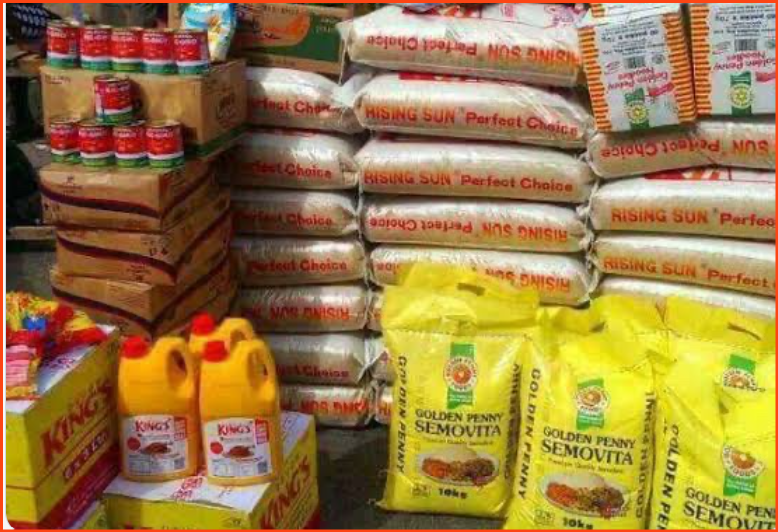
WFP’s investment comes at a critical time. According to recent reports, about 25 million Nigerians are currently experiencing severe food insecurity. That number is projected to rise to 33 million by mid-2025 if urgent action isn’t taken.
Loum stressed that with the worsening economy and growing vulnerabilities, it is crucial for WFP and the Nigerian government to collaborate to provide effective solutions.
Stronger Partnerships for Bigger Impact
The Chief Executive Officer of the National Social Investment Programme Agency (NSIPA), Badamasi Lawal, praised WFP for its continuous support. He noted that Nigeria runs one of Africa’s largest social safety net programs, helping millions through initiatives like:
🔹 The National Home-Grown School Feeding Programme (NHGSFP)
🔹 The Conditional Cash Transfer Programme (NCTO)
🔹 The Government Enterprise and Empowerment Programme (GEEP)
🔹 The Grant for Vulnerable Groups (GVG)
🔹 The N-Power youth empowerment program
Lawal stated that WFP’s expertise in food security and nutrition would significantly strengthen these programs. He emphasized that the partnership will leverage shared resources, exchange knowledge, and develop innovative solutions to fight hunger more effectively.
As Nigeria battles rising inflation and worsening food shortages, this $2.5 billion pledge offers a glimmer of hope for millions struggling to afford basic meals. With continued collaboration between WFP, the Nigerian government, and other stakeholders, achieving zero hunger by 2030 may become a reality.