The Impact of Sports Betting on Nigerian Youth
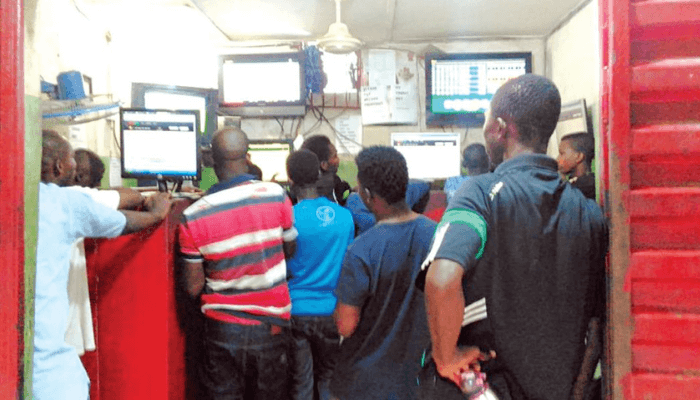
Did you know that over 60% of Nigerian youth are involved in sports betting, either casually or regularly?
With football’s increasing popularity and easy access to betting platforms, sports betting has quickly become a booming industry in Nigeria.
Many young people see it as an opportunity to make quick money or add excitement to their favourite games. However, beneath the surface lies a deeper story about its effects on individuals and society.
Sports betting offers hope and risk in a country grappling with youth unemployment and financial instability. While it provides entertainment and occasional financial rewards, it also exposes young people to addiction, economic loss, and mental health issues.
This post explores how sports betting shapes Nigerian youth’s lives, highlighting its benefits, challenges, and the need for solutions to ensure a balanced perspective on this growing phenomenon.
Growth Statistics for Sports Betting in Nigeria
Sports betting has grown into a multibillion-dollar industry in Nigeria, with millions of youth participating daily.
Reports indicate that about 60% of Nigerian youth engage in sports betting, making it a key part of the country’s entertainment and economic niche. Football, a national passion, plays a significant role in this growth.
This explosive growth has positioned Nigeria as one of Africa’s most prominent sports betting markets. The industry’s expansion reflects its popularity and deep connection with the aspirations of young Nigerians seeking quick wins and excitement.
Popular Platforms and Their Accessibility
Platforms like Bet9ja, NairaBet, and SportyBet dominate the Nigerian betting scene. These platforms are easily accessible through mobile apps and websites and provide seamless user experiences.
Low-cost betting options and attractive promotions, such as bonuses, keep drawing more users.
Their widespread advertising and partnerships with football clubs make these platforms highly visible.
This easy access, however, also means many youths are exposed to potential financial risks without sufficient understanding of responsible betting practices.
High Youth Unemployment Rates
Youth unemployment in Nigeria remains alarmingly high, leaving many young people searching for alternative sources of income.
Sports betting offers a quick solution, offering the hope of financial relief without requiring significant skills or experience.
For many, betting becomes a temporary escape from the frustrations of joblessness.
Unfortunately, this dependency often leads to financial instability and a cycle of betting losses, highlighting the need for long-term solutions to address unemployment challenges.
The Influence of Technology and Mobile Penetration
With the rise of affordable smartphones and widespread internet access, betting has never been more accessible.
Mobile apps enable users to place bets instantly, making the process convenient and straightforward. Technology has transformed sports betting into an activity that seamlessly fits into daily life.
This ease of access has contributed significantly to its popularity among tech-savvy youth. However, it raises concerns about over-reliance on betting, as constant accessibility can lead to impulsive and harmful behaviour.
The Appeal of Quick Financial Gains
One of sports betting’s strongest attractions is the promise of quick financial rewards. Many youths see it as an opportunity to multiply small amounts of money, and stories of big winners fuel their ambitions.
This dream of instant wealth often overshadows the risks, creating a high-stakes betting culture.
While some succeed, many lose money, leading to frustration and financial stress. The allure of quick riches remains a double-edged sword for Nigeria’s youth.
Positive Impacts of Sports Betting
1. Economic Opportunities
Sports betting creates jobs for many Nigerians, from platform operators to betting agents. This growing industry contributes to the economy by generating revenue and paying taxes.
For some youth, it offers a legitimate income source, especially in a country with limited formal employment opportunities.
The betting sector also supports businesses like telecom and payment services, creating a ripple effect across multiple industries.
These economic benefits highlight how sports betting, when well-regulated, can support livelihoods and stimulate growth in Nigeria.
2. Entertainment and Engagement
For sports lovers, betting adds excitement to games, making matches more thrilling.
Placing bets makes fans feel more connected to the action, turning every goal or point into a personal victory.
This form of entertainment has become a popular way for youth to bond over shared interests. Whether winning or losing, the camaraderie and fun associated with betting make it an appealing pastime for many.
Negative Impacts of Sports Betting
1. The risk of addiction
Sports betting can quickly become addictive, leading many youth to gamble more than they can afford to lose.
This habit often results in mounting debts, making achieving financial stability more complex. The allure of winning big frequently blinds users to the potential long-term consequences of repeated losses.
For many, chasing losses becomes a vicious cycle, draining their savings and affecting their ability to meet basic needs. This financial strain frequently spills into other areas of life, creating a downward spiral that’s difficult to escape.
2. Loss of significant amounts of money
There are countless tales of young Nigerians losing their entire earnings to betting. What starts as a fun activity can escalate into destructive behaviour, with some borrowing money or selling valuables to place more bets. These losses often lead to regret and shame.
Such stories serve as cautionary tales, highlighting the high stakes of unchecked gambling. They also show how betting can derail dreams, leaving many youth worse off than before they started.
3. Mental health challenges
The emotional toll of betting losses can lead to anxiety and depression. The stress of losing money and the constant hope of recovering it takes a significant mental toll. Many bettors feel trapped, unable to break free from the habit.
This mental health impact is often overlooked, but it’s a serious consequence of excessive gambling. Support systems and awareness campaigns are crucial to addressing these hidden struggles.
4. Impact on work ethic and long-term financial planning
The promise of quick riches often encourages youth to prioritize betting over hard work or skill development. This mindset undermines long-term financial planning and discourages savings or investments.
Over time, this “get-rich-quick” mentality erodes the value of perseverance and stable income sources, leaving many unprepared for future financial responsibilities. This shift in priorities creates long-term challenges for individuals and society.
Current Laws on Sports Betting in Nigeria
Nigeria has sports betting regulations, with licensing requirements for operators to ensure fair practices.
However, enforcement of these laws remains inconsistent, allowing some illegal operators to thrive and exposing users to unregulated and unsafe betting platforms.
Strengthening these laws and enhancing compliance monitoring can protect users and ensure responsible gambling.
Clear guidelines and penalties for violations would also reduce the prevalence of illegal activities and safeguard the interests of bettors, especially vulnerable youth.
Suggestions for Stricter Oversight and Age Restrictions
Stricter oversight is essential to curb underage gambling and exploitative practices. Introducing robust age verification systems and limiting access to betting platforms can protect minors from early exposure to gambling.
Additionally, regular audits and accountability measures for betting companies can promote transparency.
Responsible gambling tools, such as spending limits, can also help reduce the risks associated with addictive behaviour.
Awareness Programs on the Risks of Betting
Educational campaigns highlighting the dangers of excessive gambling can empower young people to make informed choices. Using relatable stories and accessible content, these programs can address misconceptions about betting as a guaranteed way to make money.
Community initiatives, schools, and social media can significantly increase awareness. Encouraging responsible betting practices can help reduce addiction rates and their impact on society.
Financial Literacy Initiatives for Youth
Teaching financial literacy equips young people with the tools to manage money wisely. Programs on budgeting, saving, and investment can reduce reliance on betting as a source of quick income.
Workshops, apps, and online resources tailored for Nigerian youth can make financial education engaging. Building these skills empowers youth to secure their future and make smarter financial decisions.
Promoting Skill Acquisition and Entrepreneurship
Providing alternatives like skill acquisition and entrepreneurship programs can divert youth from gambling.
These initiatives can create sustainable income opportunities, foster independence, and reduce the appeal of betting as a primary financial option.
Vocational training, startup funding, and mentorship programs can inspire creativity and innovation among young Nigerians. By focusing on long-term growth, these solutions can build a brighter future for individuals and communities.
Conclusion
Sports betting has become a significant part of life for Nigerian youth, offering opportunities and challenges.
While it provides entertainment and creates jobs, it also poses risks, such as financial instability, addiction, and strained relationships. The dual impact of this growing trend cannot be ignored.
As we navigate this complex issue, we must promote responsible betting and explore solutions that empower young Nigerians. Share your thoughts on sports betting.
Do the benefits outweigh the risks? Together, let’s advocate for better opportunities, stricter regulations, and a future where youth thrive beyond the lure of quick wins.