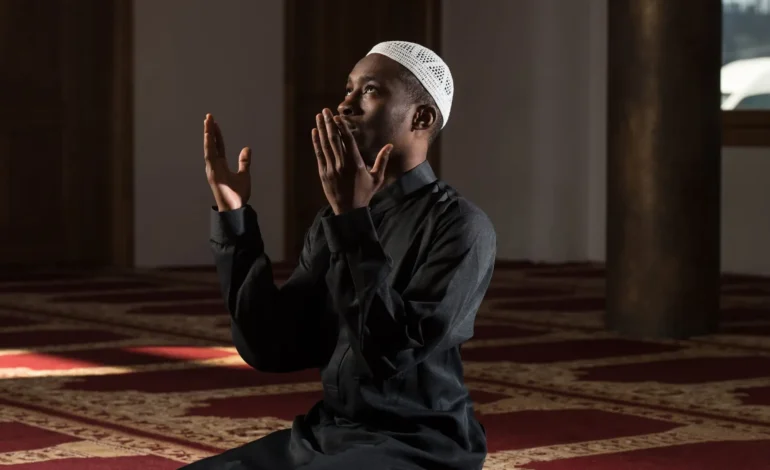
Ramadan, the blessed month of fasting, worship, and deep spiritual reflection, has now come to an end. As Muslims, we have immersed ourselves in devotion, strengthened our faith, and sought closeness to Allah through fasting, prayers, and charity. However, the real test begins now. What do we do after Ramadan? Do we return to our old habits, or do we maintain the discipline and righteousness we cultivated?
A true Muslim does not worship Allah only during Ramadan but remains steadfast throughout the year. The spirit of Ramadan should not end with the sighting of the Shawwal moon. Instead, it should continue to guide our actions and shape our lives. Let us explore ten righteous acts that should remain a part of our lives beyond Ramadan, supported by the divine guidance of the Qur’an.
1. Maintaining the Five Daily Prayers (Salah)
Salah is the foundation of Islam and must not be neglected after Ramadan. Many Muslims become more punctual with their prayers during the holy month, but this devotion should continue.
Allah commands us: “And establish prayer and give zakah and bow with those who bow [in worship and obedience].” (Qur’an 2:43)
Regardless of our busy schedules, our five daily prayers should remain our priority, just as they were in Ramadan.
2. Observing Voluntary Fasts (Sawm of Shawwal and Mondays/Thursdays)
Fasting should not end with Ramadan. The Prophet (peace be upon him) encouraged fasting six days in Shawwal, saying:
“Whoever fasts Ramadan and then follows it with six days of Shawwal, it will be as if he fasted for a lifetime.” (Sahih Muslim 1164)
Additionally, fasting on Mondays and Thursdays is highly rewarding and keeps us spiritually connected.
3. Giving Charity (Sadaqah and Zakat)
Generosity is one of the key virtues of Ramadan, and we should continue giving to those in need. Charity purifies wealth and strengthens our faith.
Allah says: “The example of those who spend their wealth in the way of Allah is like a seed of grain that sprouts seven ears; in every ear is a hundred grains. And Allah multiplies [reward] for whom He wills.” (Qur’an 2:261)
Even small acts of kindness, such as feeding the poor or supporting a good cause, carry immense blessings.
4. Regular Recitation of the Qur’an
During Ramadan, we strive to complete the Qur’an, but this practice should continue beyond the month. The Qur’an is our guide, offering wisdom and light for our daily lives.
Allah reminds us: “Indeed, this Qur’an guides to that which is most suitable and gives good tidings to the believers who do righteous deeds.” (Qur’an 17:9)
Setting aside time daily for Qur’an recitation keeps us connected to Allah’s words.
5. Seeking Forgiveness (Istighfar) and Making Du’a
In Ramadan, we seek Allah’s mercy and forgiveness, but our need for His pardon does not end with Eid. Continually asking for forgiveness keeps our hearts pure.
Allah says: “And turn to Allah in repentance, all of you, O believers, that you might succeed.” (Qur’an 24:31)
Likewise, we should maintain the habit of making du’a, seeking Allah’s guidance in all aspects of our lives.
6. Being Kind and Respectful to Parents and Family
Islam places great emphasis on respecting and caring for our parents and family members. Ramadan teaches us patience and kindness, which should extend to our daily lives.
Allah commands: “And We have enjoined upon man [care] for his parents. His mother carried him, [increasing her] in weakness upon weakness.” (Qur’an 31:14)
Honoring our parents, showing love to our family, and maintaining strong family ties should be a lifelong practice.
7. Avoiding Sinful Speech and Actions
Many of us control our tongues during Ramadan, avoiding gossip, backbiting, and harmful speech. However, after Ramadan, we must continue to guard our words and actions.
The Prophet (peace be upon him) said: “Whoever believes in Allah and the Last Day should speak good or remain silent.” (Sahih al-Bukhari 6018)
Using our speech for good, uplifting others, and avoiding unnecessary arguments helps us maintain the spiritual purity gained in Ramadan.
8. Strengthening the Bond of Brotherhood and Sisterhood
Ramadan brings the Muslim community together in prayer, iftar, and charity. This sense of unity should not fade away.
Allah says: “Indeed, the believers are brothers. So make settlement between your brothers. And fear Allah that you may receive mercy.” (Qur’an 49:10)
We should continue to support one another, engage in acts of kindness, and foster unity in our communities.
9. Showing Gratitude to Allah (Shukr)
Ramadan teaches us to appreciate our blessings, yet we must continue to express gratitude daily.
Allah reminds us: “If you are grateful, I will surely increase your favor; but if you deny, indeed, My punishment is severe.” (Qur’an 14:7)
A grateful heart brings contentment, and constantly thanking Allah strengthens our faith.
10. Spreading Peace and Positivity
As Muslims, we are ambassadors of peace. Ramadan softens our hearts, but true success lies in continuing to spread love and kindness beyond the holy month.
The Prophet (peace be upon him) said: “The best among you are those who bring the most benefit to others.” (Sunan al-Mu’jam al-Awsat 6192)
By maintaining good character, helping those in need, and being a source of peace, we embody the true teachings of Islam.
Conclusion: A Lifelong Commitment to Faith
Ramadan is not just a month—it is a training ground. It teaches us self-discipline, patience, and devotion to Allah. As it ends, let us hold on to the goodness we cultivated. Our journey as Muslims is ongoing, and our worship should not be seasonal.
Allah says: “And worship your Lord until there comes to you the certainty (death).” (Qur’an 15:99)
May Allah accept our efforts in Ramadan and grant us the strength to remain steadfast. Let us move forward with renewed faith, striving to live as righteous believers every day. Ameen.