Nigerian College Questions Student Over Anti-Tinubu’s Wife Chants
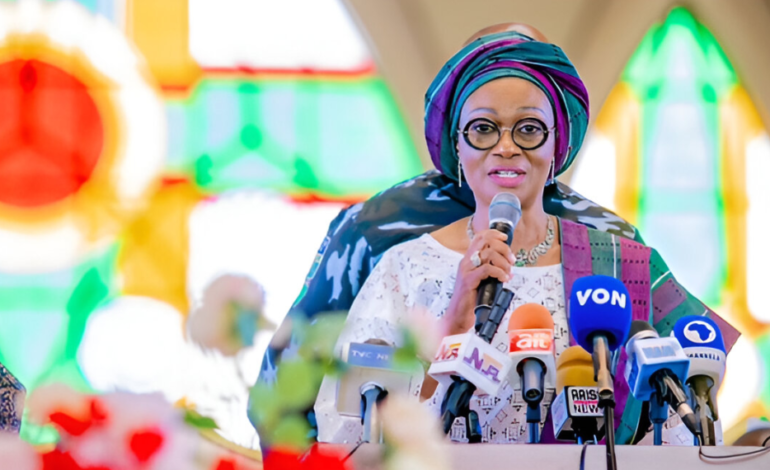
A nursing college in Nigeria questioned a student on March 27 for allegedly sharing a viral video of students chanting that Nigerian First Lady, Remi Tinubu, was not their “mother.”
The Controversy
The Delta College of Nursing Sciences in Delta State issued a query to Osato Edobor, accusing the student of participating in what they called a “malicious” chant against Mrs. Tinubu. However, after intervention from the State’s Commissioner for Health, Joseph Onojaeme, the school quickly withdrew the query within hours.
College Provost Rita Evbodaghe, who signed both the query and its withdrawal, later apologized, saying, “The school authority regrets any inconveniences this might have caused the (Delta) state.”
What Led to the Incident?
Mrs. Tinubu visited Asaba, the Delta State capital, on March 25 to distribute 10,000 professional kits, including Crocs and scrubs, to midwives in the South-South region. During the event, a welcome song in Pidgin English—Na our mama be dis—was performed to honor her.
However, in the viral video, students at the event center responded with a variation of the song, refusing to acknowledge Mrs. Tinubu as their “mother.” The clip quickly spread across Facebook, X, WhatsApp, and other platforms, sparking mixed reactions and highlighting dissatisfaction with President Bola Tinubu’s administration.
Reaction and Backlash
If not for the commissioner’s intervention, the queried student could have faced suspension or expulsion. Many viewed the college’s decision as excessive.
Lagos-based human rights lawyer Inibehe Effiong criticized the query, calling it “sickening.” He questioned why students should be punished for refusing to call the First Lady their mother. “Instead of focusing on improving the quality of learning, they decided to issue a silly query,” he said.
Effiong also argued that withdrawing the query was not enough. He demanded disciplinary action against the college provost, insisting that accountability was necessary to prevent such incidents in the future.
Conclusion
The controversy has fueled further debate about freedom of expression in Nigeria. While the college eventually withdrew the query, the situation has drawn attention to broader concerns about political sensitivity and institutional overreach in academic settings. The incident also reflects growing tensions within the country regarding leadership and governance.