Nigerian Athlete Goodness Iredia Receives Three-Year Ban for Doping
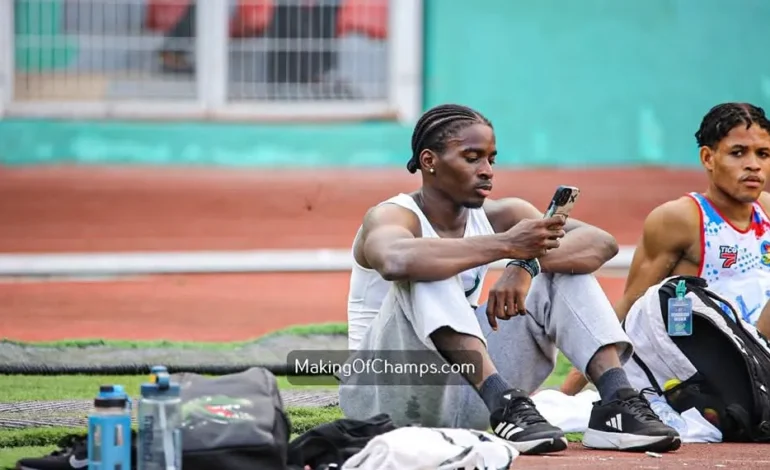
The Athletics Integrity Unit (AIU) has banned Nigerian jumper Goodness Iredia for three years after he tested positive for a prohibited substance. The AIU found him guilty of violating anti-doping rules following an in-competition test on January 31 in Louisville, USA.
Positive Test and Immediate Suspension
Iredia, a long and triple-jump specialist, provided a urine sample that was analyzed by a World Anti-Doping Agency (WADA)-approved laboratory in Utah. The test revealed the presence of Metenolone and its metabolite, substances classified as anabolic steroids under WADA’s 2025 Prohibited List. These substances are banned at all times.
Since Iredia did not have a Therapeutic Use Exemption (TUE) for the drug, the AIU confirmed a doping violation. On February 19, the AIU informed him of the findings, and by February 26, he was placed under provisional suspension.
Iredia Admits Violation
The athlete had the chance to challenge the result by requesting a second test or submitting evidence in his defense. However, he chose to admit his offense. On March 5, he signed an official admission form, which reduced his potential four-year ban to three years, as per World Athletics Anti-Doping Rules.
His suspension started on February 26 and will last until February 2028. Additionally, all his results from January 31, 2025, onward have been erased. This means he loses any titles, medals, ranking points, and prize money earned from that period.
Possible Appeal
Although the ruling is final, WADA and Nigeria’s National Anti-Doping Committee (NADC) can still appeal the decision at the Court of Arbitration for Sport (CAS) in Switzerland. If an appeal is filed, Iredia also has the right to challenge the decision.
Doping Issues in Nigerian Athletics
Iredia joins a growing list of Nigerian athletes caught violating anti-doping rules. In 2022, star sprinter Blessing Okagbare received an 11-year ban for multiple doping violations. Another Nigerian athlete, Divine Oduduru, was also banned for six years due to links with Okagbare’s case. Others, including Samson Idiata and Grace Nwokocha, have faced similar suspensions.
The increasing number of doping cases highlights the need for stricter compliance with anti-doping regulations in Nigerian athletics.