Nigeria Reports 28 New Lassa Fever Cases and Three Deaths
The Nigeria Centre for Disease Control and Prevention (NCDC) has confirmed 28 new cases of Lassa fever and three deaths. This update was shared in its latest situation report for week 10, covering March 3 to 9.
Lassa Fever Cases by State
The report shows a slight drop in cases, from 29 in the previous week to 28. The virus spread across eight states:
- Bauchi (11 cases)
- Ondo (7 cases)
- Edo (5 cases)
- Taraba (1 case)
- Kogi (1 case)
- Plateau (1 case)
- Delta (1 case)
- Anambra (1 case)
Overview of 2025 Cases
So far this year, Nigeria has recorded 563 confirmed Lassa fever cases and 103 deaths, with a case fatality rate (CFR) of 18.3%. This is slightly lower than the 18.9% reported during the same period in 2024.
According to NCDC, 73% of all confirmed cases came from Ondo, Bauchi, and Edo states. Specifically, Ondo accounted for 31%, Bauchi 25%, and Edo 17%. The most affected age group is between 21 and 30 years, with more men than women infected.
Ongoing Response Efforts
To curb the outbreak, NCDC has activated a multi-sectoral response team, working with national and international partners. Key efforts include:
- Deploying rapid response teams to affected states
- Training healthcare workers on case management
- Strengthening disease surveillance and reporting
- Promoting better hygiene practices in high-risk areas
Despite these efforts, challenges remain. Many patients seek treatment late due to high medical costs, leading to more severe cases and deaths. Poor sanitation in affected communities also increases the risk of further spread.
Understanding Lassa Fever
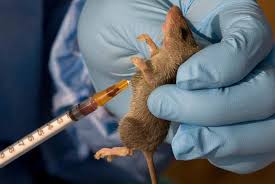
Lassa fever is a viral infection spread through contact with food or household items contaminated by infected rodents. It can also be transmitted from person to person.
Symptoms include fever, sore throat, weakness, nausea, vomiting, and muscle pain. Severe cases may lead to bleeding from the eyes, nose, or mouth. Early diagnosis and treatment improve survival chances.
Final Thoughts
Although Lassa fever cases have slightly decreased, the fight against the disease is far from over. Continuous efforts in surveillance, public awareness, and healthcare improvements are crucial in controlling the spread. Authorities urge people to maintain proper hygiene and seek medical attention immediately if they experience symptoms.