Naira Appreciates to N1,660/$ in Parallel Market
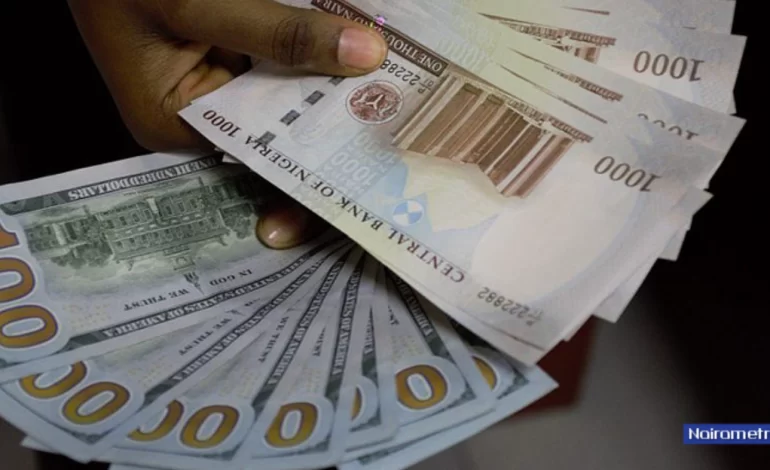
Yesterday, the Naira showed some muscle in the parallel market, climbing up to N1,660 per dollar from N1,662 over the weekend. Now, that may seem like a small gain, but hey, it’s still a win, right? I mean, we’ll take all the upward moves we can get. For many traders and businesses operating in the informal market, this appreciation brings a slight sigh of relief, even if it’s just for now. After all, every Naira counts!
But wait, hold up! Things were not so rosy at the official foreign exchange market. The Naira slipped back, trading at N1,550 per dollar compared to N1,540 the previous weekend. That’s a N10 drop, according to the Daily Nigerian Foreign Exchange Market report by the Central Bank of Nigeria (CBN). Yup, a bit of a setback there, especially for businesses relying on official rates to settle international transactions. It’s a reminder of how unpredictable the currency market can be, as external pressures like inflation, oil prices, and demand for foreign currency continue to weigh on the Naira.
And if you’re wondering what went down with the FMDQ Exchange, well, here’s the tea. Their numbers showed the indicative rate also took a hit, falling to N1,545.1 per dollar from N1,533 just last Friday. Not ideal, but the market does what the market does! For those unfamiliar, the FMDQ Exchange reflects the official rates used for formal businesses and banks, so this drop signals a tougher week for corporate buyers and importers.
Now, here’s where it gets interesting. Because of these shifts, the gap between the parallel market and the official NFEM rates actually got smaller. We’re talking N110 per dollar now, down from N122 last Friday. So, while the Naira is flexing in the parallel market, it’s also keeping things a bit tighter against official rates. This narrowing gap is significant because it could hint at increased stability or reduced arbitrage opportunities between the two markets.
So, what’s behind these moves? Well, there are a couple of factors at play. First off, demand for foreign currency remains high, as businesses and individuals continue to seek dollars for imports, school fees, and travel expenses. On the flip side, we’re seeing some interventions from the CBN to help stabilize the official market by managing dollar supply and keeping speculators in check.
Also, let’s not forget oil prices – Nigeria’s main source of foreign exchange. When oil revenues dip or global prices fluctuate, it puts more pressure on the Naira. Combine that with inflationary pressures and limited forex reserves, and it’s no surprise the currency keeps swinging.
Well, for starters, if you’re dealing with dollars in the parallel market, the Naira’s mini-appreciation is a bit of good news. Importers or traders buying goods abroad might feel a bit of relief, even if it’s short-lived. On the flip side, the official market’s slip reminds us that volatility is still lurking, and businesses relying on stable exchange rates need to stay cautious. These back-and-forth swings are pretty much the vibe these days, so planning ahead is key.
If you’re a small business owner or someone who deals in forex, keeping tabs on these trends helps you make smarter decisions. The narrowing gap between markets might also signal a shift toward more stability, but we’ll need to keep watching closely to see if it sticks.
The Naira’s hustle continues! While the parallel market showed some promise with its slight appreciation, the official market tells a different story. For now, it’s all about staying informed and being prepared for the next twist or turn. Whether you’re trading, traveling, or just watching from the sidelines, understanding these moves helps you stay ahead of the game.
So, there you have it! The Naira’s dance with the dollar is far from over. Let’s see what the rest of the week holds. Stay tuned for more updates, and keep those positive vibes flowing.