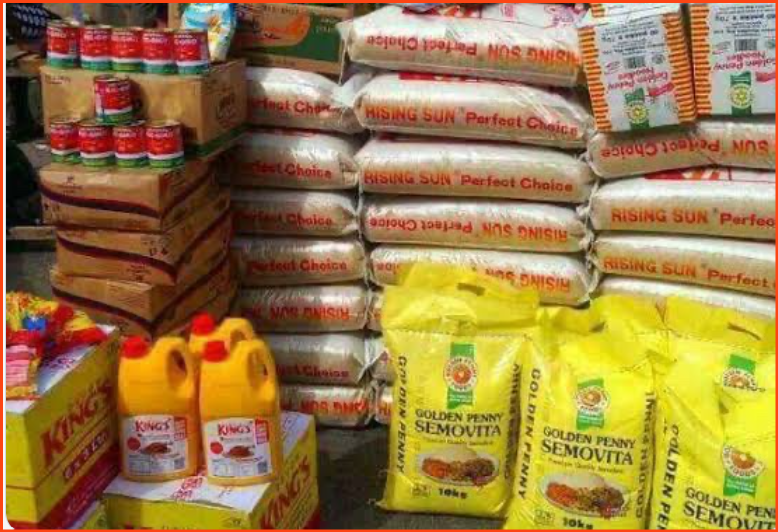
Hunger Crisis: Tinubu Under Pressure to Rethink Food Import Waiver
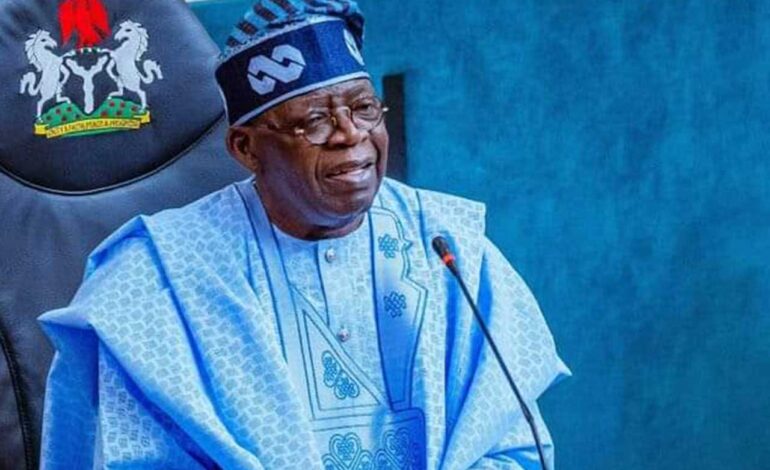
President Bola Tinubu’s food import waiver policy. You’ve probably heard the chatter if you’ve been following the news. The government announced in July 2024 that duties, tariffs, and taxes on food imports like rice, wheat, maize, and cowpeas would be suspended for 150 days. Sounds like a plan, right? Not so fast.
Behind the scenes, private sector bigwigs are throwing up red flags. They’re worried this move could mess up local production and send unemployment soaring. It’s like trying to solve hunger with one hand while slapping local farmers and producers with the other.
The Private Sector’s Pushback
Sources in the Presidency say private companies and industry groups like MAN (Manufacturers Association of Nigeria) and LCCI (Lagos Chamber of Commerce and Industry) have been pleading with the government to halt this policy. They argue that importing food on a large scale would crush local businesses and kill jobs.
Let’s break it down: cheaper imports could lower food prices, making it tough for Nigerian farmers and producers to compete. Think of it as a double-edged sword: great for short-term relief but potentially disastrous in the long run.
A Promise Left Hanging
The Minister of Agriculture, Abubakar Kyari, had outlined the plan: a 150-day window for duty-free imports and government procurement of maize and wheat to support small-scale processors. But here’s the kicker: none of it actually took off.
Instead, the plan got stuck in what economists call “bureaucratic bottlenecks.” Customs even estimated a potential revenue loss of ₦188.37 billion if the waiver was implemented, but no mechanism was ever implemented to get the ball rolling. So here we are, with no policy action, and food prices are still through the roof.
Mixed Reactions
Segun Kuti-George, from the Nigerian Association of Small-Scale Industrialists, called the waiver a “double-edged sword.” He’s not wrong. It could have decreased prices and eased hunger, but local producers would’ve struggled to compete. His take? If it’s temporary, fine. Just don’t make it a permanent fix.
Meanwhile, other voices, like Dr. Muda Yusuf of the Centre for Promotion of Private Enterprise, said the delay wasn’t just about protecting local production. Bureaucracy played a massive role, with agencies passing the blame like hot potatoes.
The Bigger Picture
Economist Marcel Okeke paints a grim picture of what unchecked imports could do. He points to Nigeria’s history with textiles, which was once a booming sector until cheap imports wiped it out. According to him, opening the floodgates to food imports could do the same to agriculture. And let’s not even talk about quality concerns. Imagine subpar products flooding the market.
Instead of relying on imports, Okeke suggests boosting local production. Sure, it’s harder and takes time, but it’s the only way to build a sustainable food system.
What’s Next?
The heat is on, and Finance Minister Wale Edun says the government is looking for ways to protect local farmers while addressing hunger. But words aren’t enough anymore. Nigerians need action, real, impactful solutions that tackle hunger without sacrificing local industries.