Hamas Strikes Back After Israel Breaks Ceasefire Agreement
Days after Israel resumed its military offensive in Gaza, Hamas responded with a rocket attack targeting Tel Aviv. The Al-Qassam Brigades, Hamas’s military wing, confirmed that three M29 rockets struck deep inside the city, a major economic hub in Israel.
Deadliest Strikes Since Ceasefire Ended
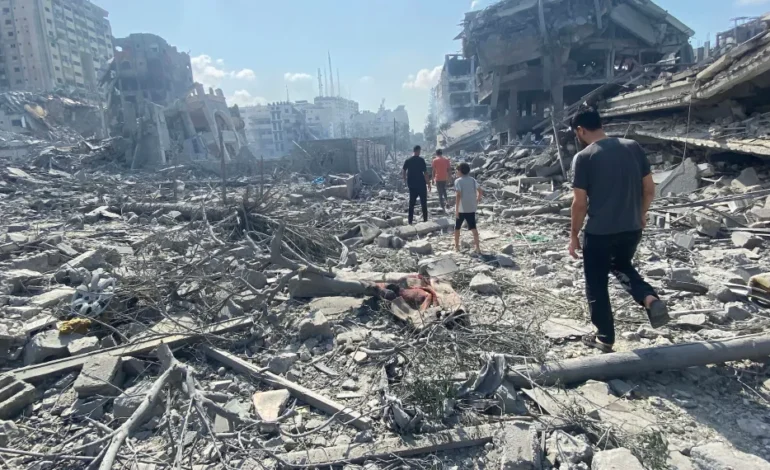
The latest exchange of attacks comes after Israel broke a two-month ceasefire on Tuesday. Israeli airstrikes killed 404 Palestinians and injured 562 others, marking the deadliest assault since the truce took effect in January. The strikes hit multiple areas, including Khan Younis, Rafah City, Gaza City, and Deir el-Balah.
According to Gaza’s Ministry of Health, more than 200 children have died in the past three days alone. Hamas condemned Israel’s actions, calling them a deliberate attempt to end the ceasefire and jeopardize the lives of Palestinian prisoners.
Calls for Global Action
In response, Hamas urged Arab and Islamic nations, along with international allies, to protest against the renewed attacks. The group accused Israeli Prime Minister Benjamin Netanyahu’s government of escalating the war and reversing diplomatic efforts.
The global reaction was swift. China’s Foreign Ministry expressed deep concern, urging both sides to de-escalate tensions. Egyptian President Abdel Fattah al-Sisi accused Israel of making Gaza uninhabitable and forcing mass displacement. Qatar, Jordan, and Turkey also condemned the violence. UN Secretary-General António Guterres called the situation “shocking,” while UN human rights chief Volker Türk described the strikes as horrifying. Britain and France joined in calling for an immediate halt to hostilities.
Israel Defends Its Actions
Meanwhile, Israel defended its renewed offensive, blaming Hamas for rejecting U.S.-backed ceasefire negotiations. Netanyahu’s office stated that the military campaign against Hamas would intensify in the coming days.
Israel claimed that Hamas’s refusal to release remaining hostages justified its actions. The first phase of the ceasefire deal, which began in January, had led to the release of 25 Israeli hostages and eight bodies in exchange for 1,800 Palestinian prisoners and five Thai hostages. The deal ended on March 1, with talks for a second phase still ongoing.
U.S. Response
White House Press Secretary Karoline Leavitt confirmed that Israel consulted with U.S. President Donald Trump before launching the attacks. She reiterated Trump’s stance, warning that Hamas, Iran, and other groups seen as threats to both Israel and the U.S. would “pay the price.”