From Obasanjo to Tinubu: A Timeline of State of Emergency Declarations in Nigeria
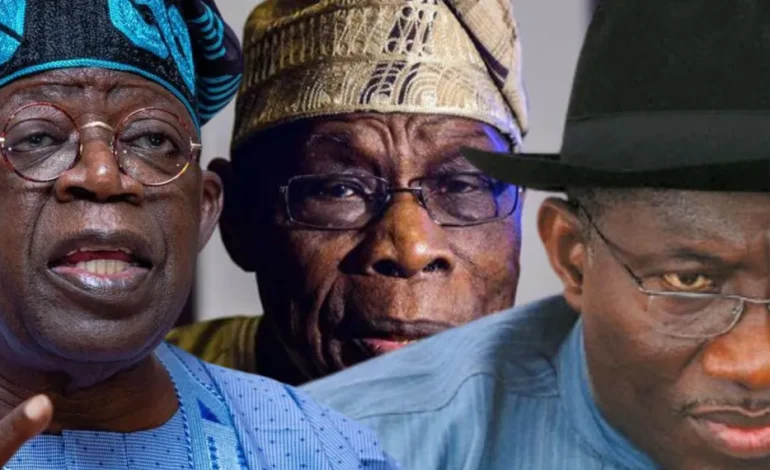
President Bola Tinubu recently declared a state of emergency in Rivers State, suspending Governor Siminalayi Fubara, his deputy, and the state assembly. With this move, Tinubu follows the footsteps of past Nigerian presidents who have exercised similar emergency powers since the return to democracy in 1999.
Tinubu Declares Emergency in Rivers State
In a live broadcast, Tinubu cited security reports indicating that militants had vandalized pipelines in Rivers without any action from the governor. He warned that the situation, if left unchecked, could lead to chaos and lawlessness.
To restore order, he appointed retired Vice Admiral Ibokette Ibas as the administrator for six months. His decision, however, has sparked legal debates, as some experts argue that the constitution does not give the president the power to suspend elected officials.
Lagos-based lawyer Ridwan Oke criticized the move, stating that Section 305 of the constitution does not specify what happens to elected officials during a state of emergency. According to him, the president’s decision to suspend them was beyond his constitutional powers.
Past State of Emergency Declarations
Tinubu is not the first Nigerian president to use this emergency provision. Both Olusegun Obasanjo and Goodluck Jonathan invoked Section 305 of the constitution to deal with crises in various states. Here’s a look at how emergency rule has been declared in Nigeria since 1999:
May 18, 2004 – Obasanjo in Plateau State
Obasanjo imposed a state of emergency in Plateau, suspending Governor Joshua Dariye, his deputy, and the state assembly. He accused the officials of failing to prevent religious violence that led to thousands of deaths. He appointed retired General Chris Ali to govern the state for six months.
October 18, 2006 – Obasanjo in Ekiti State
Obasanjo again declared a state of emergency in Ekiti after lawmakers impeached Governor Ayo Fayose over corruption allegations. The crisis led to the suspension of the state assembly and the deputy governor. A retired general was appointed to oversee the state.
December 31, 2011 – Jonathan in Four States
Goodluck Jonathan declared a state of emergency in Plateau, Borno, Niger, and Yobe due to escalating Boko Haram attacks. However, unlike Obasanjo, he did not suspend any elected officials.
May 14, 2013 – Jonathan in Three States
Jonathan imposed emergency rule in Borno, Adamawa, and Yobe as Boko Haram’s insurgency worsened. He assured Nigerians that the military would take all necessary actions to end the crisis, but governors remained in office.
What This Means for Nigeria
The use of emergency powers has been a controversial tool in Nigerian governance. While past leaders have used it to address security and political crises, questions remain about its constitutional limits. Tinubu’s recent action has reignited debates on whether elected officials should be removed during such declarations.