At around 10 p.m. on February 21, 2024, Kehinde Ogundipe, a mother from Obele in Ogun State, went into labor. She had relied on traditional herbs throughout her pregnancy, just as she had done before. However, this time was different. Without warning, she gave birth to quadruplets—three boys and a girl—at home, with no medical assistance.
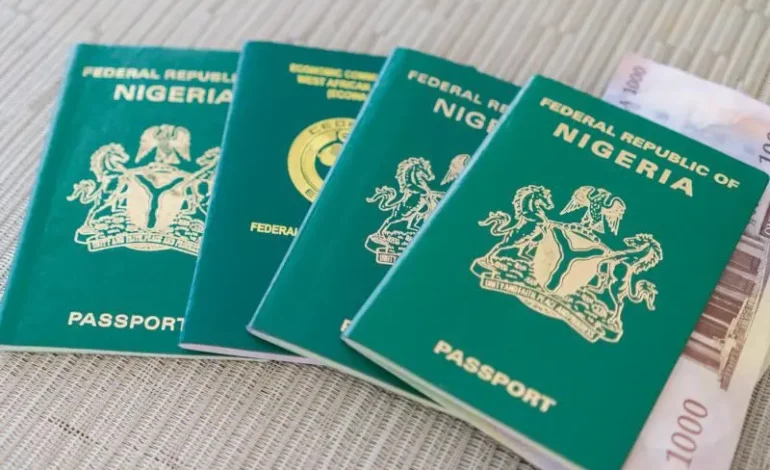
Shocked and unprepared, her neighbors quickly rushed her and the newborns across the border to Hôpital De Zone De Pobe in Benin Republic, the closest facility with proper healthcare. In Nigeria, she had no access to the medical attention she urgently needed.
Seeking Help Across the Border
The following day, Mrs. Ogundipe and her babies were transferred to a hospital in Porto-Novo for specialized care. For two weeks, the quadruplets received intensive treatment before the family moved back to Pobe. There, they received overwhelming support from local authorities and residents, who provided food, shelter, and financial aid.

Despite the kindness of strangers, their struggles continued. By April, tragedy struck—the family lost one of the baby boys. A year later, Mrs. Ogundipe and her surviving triplets remain in Benin, unable to return home due to a lack of support and proper healthcare in Ogun State.
Why Nigerians Choose Benin’s Healthcare
Many Ogun residents, especially those in border communities, seek medical care in Benin. Poor infrastructure, limited healthcare facilities, and a shortage of trained medical staff make local hospitals unreliable. Pregnant women fear giving birth in Nigeria due to the risks involved.
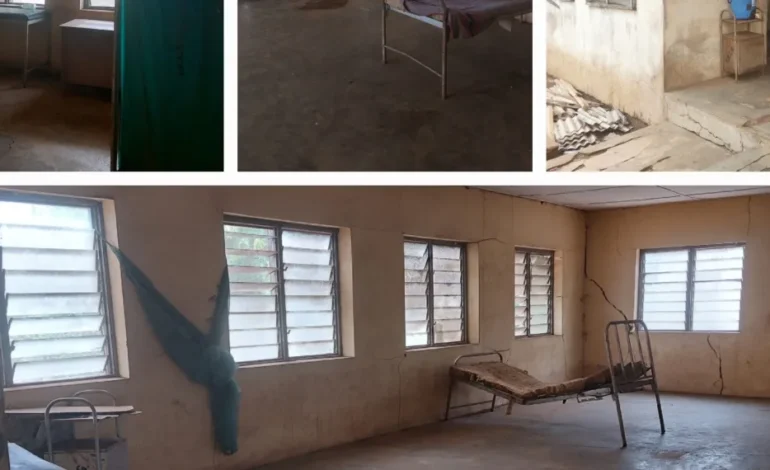
During a visit to Ohunbe, a town near the border, it was clear why residents preferred Benin’s hospitals. Roads leading to Nigerian health centers were in terrible condition, making emergency transportation difficult. The facilities themselves were understaffed and poorly equipped. At Ohunbe Primary Healthcare Center, only one health worker was available, and the center had just one functioning ward for pregnant women.
In contrast, Pobe General Hospital in Benin had stable electricity, running water, and an adequate number of medical professionals. The environment was clean, and patient care was well-organized. For many Nigerians, traveling to Benin was not a choice—it was a necessity.
Ogun’s Healthcare System in Decline
Despite previous reports highlighting the dire state of primary healthcare in Ogun State, little has changed. The government claimed to have renovated several health centers, but many, including those in Yewa North, remain in poor condition.

When reached for comment, Ogun State’s Health Commissioner, Tomi Coker, declined to provide updates. Calls and messages went unanswered, leaving residents feeling abandoned.
The Role of ECOWAS in Cross-Border Healthcare

Nigeria and Benin are both members of the Economic Community of West African States (ECOWAS), which promotes regional cooperation, including healthcare access. Benin authorities confirm that Nigerians can receive medical care in their hospitals, reflecting a spirit of unity. However, this open policy has allowed the Ogun State government to neglect its healthcare responsibilities, as residents continue to depend on Benin for medical services.
A Call for Change
The story of Mrs. Ogundipe and her babies highlights the failure of Ogun’s healthcare system. While border communities in Nigeria suffer, their counterparts in Benin enjoy better medical services. If this issue remains unaddressed, more Nigerians will be forced to seek healthcare abroad, further exposing the weaknesses in the country’s health sector.
The Ogun State government must take immediate action to improve healthcare in border areas. This includes investing in well-equipped hospitals, training more medical staff, and ensuring basic infrastructure like roads and electricity. Without these changes, the cycle of medical migration will continue, leaving more families stranded and struggling to survive.