Complete Guide to Getting a U.S. Work Visa in 2025
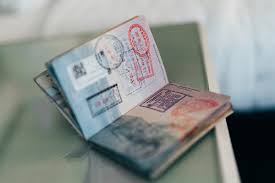
Working in the United States remains one of the biggest career dreams for professionals around the world in 2025. With its strong economy, advanced industries, and diverse job market, the U.S. continues to offer endless opportunities for skilled workers. Many people are drawn by the chance to earn competitive salaries, gain international experience, and work for leading global companies. From tech to healthcare, thousands still view the U.S. as the ultimate place to grow and achieve career success.
This complete guide to getting a U.S. work visa in 2025 will help you understand the process clearly. Recent updates have made some visa categories more accessible, especially for tech talent, remote workers, and specialized professionals. Whether you’re seeking new challenges or better living standards, the U.S. work visa could open doors to your dream career. Let’s explore what’s new, what’s required, and how to begin your visa journey successfully.
Understanding U.S. Work Visas: Types and Categories
-
Temporary vs. Permanent Work Visas
U.S. work visas fall into two main groups—temporary and permanent. Temporary visas allow foreigners to work for a specific time and employer, such as the H-1B or L-1 visa. Permanent visas, also called employment-based green cards, offer long-term residency and freedom to work for any company. The choice depends on your career goals, job offer, and employer sponsorship. Knowing the difference helps you plan your future and choose the best path for stability.
-
Popular Work Visa Options in 2025
The U.S. offers several popular visas suited for various professionals. The H-1B targets skilled workers, especially in tech and engineering. The L-1 serves company transfers, while the O-1 is for people with extraordinary abilities. The E-2 supports investors, and the TN visa benefits Canadians and Mexicans under NAFTA. Each visa has unique requirements, benefits, and duration. Picking the right category ensures a smoother process and better job security in the United States.
-
Which Visa Fits Your Profession
Different jobs require specific visa types. Tech experts and researchers usually apply for H-1B visas, while business leaders or managers use the L-1. Creative professionals, such as artists or athletes, qualify for O-1 visas. Entrepreneurs may explore E-2 investor options. Meanwhile, professionals from Canada or Mexico can easily apply through the TN route. Matching your role to the right visa increases your approval chances and sets you up for long-term career success in the U.S.
Key Eligibility Requirements for a U.S. Work Visa
-
Education, Experience, and Sponsorship Criteria
To qualify for a U.S. work visa, applicants must meet specific education and experience levels. Most skilled roles, like those under the H-1B, require at least a bachelor’s degree or its equivalent. You’ll also need a valid job offer from a U.S. employer willing to sponsor your visa and prove your professional qualifications.
-
Employer’s Role in Visa Application
Your sponsoring employer plays a major part in your visa process. They must file the necessary petitions, such as Form I-129, with the U.S. Citizenship and Immigration Services (USCIS). The employer also proves there’s a genuine job opening and that hiring you won’t harm U.S. workers. Without sponsorship, most visa applications can’t move forward.
-
Financial and Background Requirements
Applicants must show financial stability and a clean background record. This includes having enough funds to cover living costs and passing security or medical checks. Some visa types may require proof of tax compliance or previous travel records. Meeting these conditions shows you can support yourself and follow U.S. immigration laws responsibly.
Step-by-Step Process to Apply for a U.S. Work Visa in 2025
-
How to Find a Sponsoring Employer
Start by searching for companies in the U.S. that hire international workers and have a record of visa sponsorship. Use trusted job boards, LinkedIn, or company websites. Focus on employers offering roles that match your skills and experience. Once you receive an offer, confirm that the employer is ready to file your visa petition.
-
Completing Form I-129 or DS-160
The next step depends on your visa type. For employer-sponsored visas like the H-1B, your company files Form I-129. For individual applications, such as temporary or visitor work visas, you complete Form DS-160 online. Fill every section accurately, double-check details, and gather all supporting documents to prevent delays or rejections during the review stage.
-
Paying Fees, Scheduling Interviews, and Biometrics
After submitting your forms, pay the required visa fees and keep your receipt. Schedule your appointment at a U.S. embassy or consulate for an interview. During the visit, you’ll provide biometric fingerprints and photos for security checks. Arrive prepared with documents, proof of employment, and confidence to answer questions clearly about your work and travel plans.
Important Documents You’ll Need
-
Essential Paperwork for Your Visa Application
Gather all key documents before starting your U.S. work visa process. These include your job offer letter, a valid passport, academic certificates, and proof of work experience. You may also need professional licenses or training records. Having every paper ready and up-to-date helps prove your eligibility and avoids unnecessary delays during submission or interviews.
-
Tips for Document Verification and Translation
Make sure all your documents are genuine and verifiable. Use certified translators if any papers are not in English. Double-check names, dates, and official seals for accuracy. Keep copies of every document, as the U.S. embassy may request duplicates. Verified and clearly translated files show professionalism and improve your chances of visa approval.
-
Organizing Documents for Smooth Processing
Arrange your paperwork neatly in separate folders for easy access. Label each section: identity, education, employment, and financials. Store originals and copies together, but clearly marked. Bring a checklist to confirm nothing is missing on interview day. Staying organized reduces stress, helps officers review your case faster, and makes the entire process more efficient.
Common Mistakes to Avoid During Visa Application
-
Errors in Forms or Missing Deadlines
Many visa rejections happen because of small mistakes in application forms or late submissions. Always fill in every section carefully and use the correct details that match your documents. Track all key dates for fee payments and interviews. Submitting early gives you time to fix problems and reduces the risk of missed deadlines.
-
Misrepresentation or Lack of Proof
Never provide false information or incomplete evidence. U.S. immigration officers verify every detail, and dishonesty can lead to bans. Always attach genuine documents, such as employment letters, certificates, and financial proof. If you lack certain records, get official replacements before applying. Honesty and accuracy build trust and improve your approval chances significantly.
-
How to Correct Issues Before Submission
Review your application thoroughly before submission. Ask your employer or a visa consultant to double-check your forms and documents. If you notice errors, correct them immediately through the online portal or embassy support. Keeping digital and printed copies helps ensure consistency. Careful review and early corrections can prevent costly delays or denials later.
What Happens After Submitting Your Application
-
Visa Interview Process and Preparation Tips
After submitting your application, the next step is the visa interview at a U.S. embassy or consulate. Dress neatly, arrive early, and carry all original documents. Be confident and answer questions honestly about your job, qualifications, and travel plans. Practicing common interview questions helps you stay calm and leave a strong impression.
-
Expected Processing Times in 2025
Processing times in 2025 vary depending on the visa type and embassy workload. Most applications take between a few weeks to several months. Delays may occur due to security checks or missing documents. Tracking updates through official portals and maintaining regular contact with your employer helps you stay informed about your visa’s progress.
-
How to Track Your Application Status
Once your interview is done, you can monitor your visa status online using your DS-160 or case number. Visit the U.S. State Department’s tracking website for updates. You’ll see whether your application is approved, pending, or needs more information. Staying updated helps you plan your travel and respond quickly if further action is required.
How to Maintain Your Visa Status After Arrival
-
Work Restrictions and Compliance Rules
After entering the U.S., you must follow the rules of your visa type. Work only for your sponsoring employer and avoid taking unapproved side jobs. Always keep your work permit and I-94 record valid. Following U.S. immigration laws protects your legal stay and ensures a smooth experience throughout your employment period.
-
How to Extend or Change Visa Categories
If your job continues or your career goals shift, you can apply for an extension or change visa type. Submit your request before your current visa expires, including updated documents and employer details. The USCIS reviews each case carefully, so filing early and accurately improves your chance of approval without work interruptions.
-
Consequences of Overstaying or Violations
Overstaying your visa or breaking its terms can lead to serious penalties. You may face fines, deportation, or bans from re-entry. Always monitor your visa expiry date and follow legal procedures for extensions. Responsible actions not only protect your status but also maintain your credibility for future immigration opportunities in the United States.
Alternatives If Your Work Visa Is Denied
-
Appeal Options and Reapplication Steps
If your visa is denied, don’t panic; many applicants succeed on their next try. You can appeal by requesting a review or submitting new evidence that strengthens your case. Sometimes, correcting small errors or missing documents can make a big difference. Always check the refusal reason and follow the reapplication guidelines carefully.
-
Switching to Another Visa Type
If an appeal isn’t possible, consider applying for a different visa category. For example, if your H-1B is rejected, you might qualify for an L-1, O-1, or E-2 visa instead. Choose a path that better matches your skills, nationality, or career goals. Exploring other categories can keep your dream of working in the U.S. alive.
-
Exploring Remote or Student Work Paths
When a visa denial blocks your plans, you can still gain U.S. experience remotely. Many American employers now hire international talent online. Another option is applying for a student visa, which allows limited work during study. These routes help you build experience, earn globally, and prepare for future visa opportunities with stronger qualifications.
Conclusion
Getting a U.S. work visa in 2025 can open doors to a brighter career and global opportunities. With new updates, growing demand for skilled workers, and better access to sponsors, this is the perfect time to start preparing. Begin researching employers, understanding visa options, and gathering your documents early to avoid last-minute challenges. Careful planning gives you a strong edge when application windows open.
Professional guidance can also make a big difference. Consulting experts or using trusted immigration resources helps you avoid errors and stay updated on changing rules. If working in the U.S. is your goal, take action now; your dream job could be just one application away. Subscribe for weekly immigration updates and expert advice tailored for international professionals. Your U.S. career adventure starts with smart preparation today.