Agricultural Jobs in the USA for Foreign Applicants — 2025 Hiring Season
The U.S. agricultural industry is booming in 2025, creating exciting opportunities for foreign workers seeking stable and rewarding careers. With farms, ranches, and food production centers facing labor shortages, employers are opening their doors to international talent. From planting and harvesting to equipment operation and livestock care, agricultural jobs in the USA are now among the most accessible and in-demand options for foreign applicants.
For many, working in U.S. agriculture is more than just a job; it’s a life-changing experience. Through seasonal and full-time positions, applicants can earn competitive wages, gain valuable skills, and experience American farming culture firsthand. Visa programs like the H-2A Temporary Agricultural Worker Visa make it easier to apply legally and work safely. Whether you’re passionate about hands-on fieldwork or agricultural technology, the 2025 hiring season offers a clear path to career growth and global experience in America’s thriving farmlands.
Overview of U.S. Agriculture in 2025
-
Technological Growth Driving New Opportunities
In 2025, the U.S. agricultural sector is becoming smarter and more efficient through advanced technology. Modern tools such as automated tractors, drones, and irrigation systems are changing how farms operate, creating a need for skilled foreign workers to manage and maintain this equipment. As technology expands, so does the demand for trained labour, offering international applicants a chance to join an industry that values innovation, productivity, and sustainable farming methods.
-
Labour Shortages Increasing Foreign Recruitment
Many American farms are struggling to fill critical roles, leading to a major push for foreign recruitment. Workers from abroad are now essential to maintaining a steady food supply year-round. States such as California, Texas, and Iowa are leading the charge, offering thousands of positions in crop production, dairy farming, and livestock care. This growing demand gives foreign applicants more opportunities and flexibility in choosing where to work in the U.S.
Top Agricultural Jobs in Demand
-
Farmworkers
Farmworkers are the backbone of U.S. agriculture, handling daily tasks like planting, watering, and maintaining crops. They work closely with supervisors to keep farms running smoothly and crops healthy. This role offers steady income, practical skills, and a chance to experience rural America while supporting the country’s growing food production needs.
-
Harvesters
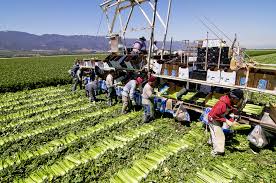
Harvesters play a vital role during peak farming seasons, picking and sorting fruits, vegetables, and grains. Their hard work ensures fresh produce reaches markets nationwide. Foreign applicants who enjoy outdoor work and teamwork will find harvesting jobs both rewarding and accessible, especially in states with large-scale farming operations such as California and Florida.
-
Equipment Operators
Equipment operators manage tractors, ploughs, and harvesting machines that power modern farming. These roles require attention to detail and technical skills to ensure smooth and safe field operations. Foreign workers with prior machinery experience can earn higher pay and gain valuable U.S. agricultural certifications that can open future opportunities.
-
Livestock Handlers
Livestock handlers care for animals like cattle, pigs, and poultry, ensuring proper feeding, hygiene, and breeding conditions. This role suits applicants who enjoy working with animals and learning advanced farm management techniques. It’s a physically active job that offers long-term employment, especially on dairy and meat production farms.
-
Greenhouse Technicians
Greenhouse technicians manage plant growth in controlled environments by controlling temperature, humidity, and lighting. Their work supports year-round crop production and sustainable farming practices. For foreigners interested in agricultural science or eco-friendly cultivation, greenhouse jobs offer valuable experience in innovative farming methods used across America’s expanding agri-tech sector.
Visa Options for Foreign Agricultural Workers
-
H-2A Temporary Agricultural Visa
The H-2A visa is the main route for foreign workers seeking U.S. farm jobs. It allows employers to hire international labor for seasonal planting, harvesting, or livestock care. This visa ensures fair wages, safe housing, and legal protection, making it one of the best ways to work temporarily in American agriculture.
-
Seasonal Work Permits
Seasonal work permits enable foreign workers to take on short-term agricultural roles during high-demand months. These permits are ideal for people seeking flexible, legal employment without long-term commitments. Applicants can gain U.S. work experience, earn a good income, and often return yearly if employers renew contracts for the next farming season.
-
Other Farm-Related Visa Options
Besides H-2A, some skilled agricultural workers may qualify under H-2B or J-1 programs for specific technical or training roles. These options cater to candidates in agribusiness, greenhouse operations, or equipment handling. They provide valuable exposure to U.S. farming systems while improving professional skills in a global work environment.
Salary Expectations and Work Conditions
-
Average Wage Ranges
Agricultural workers in the U.S. earn between $14 and $20 per hour, depending on the state, season, and job type. Skilled roles like equipment operators and greenhouse technicians often earn higher pay. These wages give foreign employees a solid income while gaining international experience in one of the world’s most advanced farming industries.
-
Housing and Living Benefits
Most U.S. farm employers provide free or low-cost housing for seasonal workers. Accommodations usually include shared rooms, basic kitchen facilities, and access to utilities. Some companies also offer transportation and meals during harvest periods. These benefits help reduce living costs and make it easier for foreign workers to settle quickly and save money.
-
Seasonal Pay Structures
Agricultural pay often depends on seasonal demand. During peak months, workers can earn bonuses or overtime pay for longer hours. Many farms use weekly or biweekly payment systems, ensuring steady income throughout the contract. This setup rewards dedication, allowing employees to maximize earnings while contributing to vital food production cycles.
Required Skills and Qualifications
-
Physical Requirements
Agricultural jobs often demand strong physical stamina and endurance. Workers should be able to lift, bend, and stand for long hours in various weather conditions. Good health and energy are key, especially during busy harvest seasons. Meeting these physical needs ensures productivity and safety while performing daily farm duties efficiently.
-
Farming Experience
Prior experience in planting, harvesting, or animal care gives foreign applicants a strong advantage. Many employers prefer candidates who understand basic farm tools, machinery, and crop management. Even small-scale farming experience from home countries can help workers adapt faster and perform well in U.S. agricultural environments.
-
English Communication Skills
Basic English communication is important for understanding work instructions, safety rules, and teamwork. Workers don’t need fluency, but they should understand simple terms used on farms. Improving listening and speaking skills helps foreign employees connect more effectively with supervisors and coworkers, creating a smoother, safer work experience.
How to Apply for U.S. Agricultural Jobs
-
Job Platforms
Foreign applicants can find U.S. agricultural openings on trusted platforms like SeasonalJobs.dol.gov, Indeed, and AgCareers.com. These websites post verified listings from American employers seeking seasonal or full-time workers. Candidates can filter jobs by state, visa type, or pay rate, making it easier to apply safely and directly from their home country.
-
Recruitment Agencies
Licensed recruitment agencies connect foreign workers with approved U.S. farm employers. They help with applications, interviews, and visa processing. Using a certified agency reduces the risk of fraud and ensures compliance with government programs like H-2A. Many agencies also provide training and orientation before departure to prepare workers for life on American farms.
-
Direct Employer Applications
Some large farms and agricultural companies accept direct applications through their websites. This approach allows applicants to contact employers directly, without middlemen, improving their chances of a quick hire. It’s important to review the employer’s credibility, confirm visa sponsorship, and submit complete documents to ensure a smooth, legal hiring process.
States and Employers Hiring in 2025
-
California
California leads the U.S. in agricultural employment, offering thousands of jobs in fruit, vegetable, and vineyard farms. Foreign workers are needed year-round for picking, packing, and irrigation work. Major employers include Driscoll’s, Grimmway Farms, and Wonderful Citrus, all known for hiring international talent under legal visa programs.
-
Texas
Texas has vast farmland focused on livestock, cotton, and grain production. It welcomes foreign workers to handle machinery, feed animals, and manage crops during long growing seasons. Companies like JBS Foods and Tyson Farms often recruit through the H-2A visa program, giving workers steady pay and valuable farm experience.
-
Iowa
Iowa is famous for its corn and soybean farms, offering reliable agricultural positions for international applicants. The state’s major employers include Pioneer Hi-Bred and Landus Cooperative, which hire seasonal workers for planting and harvesting. With affordable living costs and organized training, Iowa remains a great destination for new farmworkers.
Benefits of Working in U.S. Agriculture
-
Financial Stability
Working in U.S. agriculture offers consistent income and reliable job security. Employees earn fair wages, often including overtime and bonuses during harvest seasons. With low-cost housing and paid utilities on many farms, foreign workers can save money, support their families, and grow financially while gaining valuable work experience abroad.
-
Cultural Exchange
Agricultural jobs in the U.S. provide a rich cultural experience where international workers interact with Americans and peers from other countries. This environment promotes teamwork and cross-cultural learning. Foreign employees not only improve their language skills but also gain insights into American farming traditions and modern lifestyles, making their journey more rewarding.
-
Skill Growth
Farm work in the U.S. builds strong technical and practical skills. Workers learn to operate machinery, manage crops, and handle livestock efficiently. These experiences improve job prospects worldwide. Many employers also provide on-site training, allowing foreign workers to grow professionally while mastering advanced farming techniques used in modern agriculture.
-
Visa Extensions
H-2A visa holders who are successful may qualify for contract renewals or extensions. This allows them to continue working legally in the U.S. for additional seasons. Employers often request returning employees who show dedication and skill. Such extensions create long-term career opportunities and help workers maintain stable employment across multiple farming seasons.
Challenges and How to Overcome Them
-
Seasonal Work Demands
Agricultural jobs often require long hours during planting and harvesting seasons. The workload can be intense, but staying organized and maintaining a healthy routine helps manage fatigue. Workers should rest properly, stay hydrated, and follow safety rules. Planning ahead for peak periods ensures better performance and prevents burnout during busy months.
-
Climate Adaptation
Foreign workers may face unfamiliar weather conditions, from hot summers to cold winters. Wearing the right clothing, using sunscreen, and staying hydrated are essential for outdoor safety. Employers usually provide guidance and equipment for harsh weather. Adjusting gradually to new climates helps workers stay healthy and comfortable while performing physically demanding farm tasks.
-
Cultural Differences
Adapting to a new culture can be challenging, especially when language and customs differ. Being open-minded and respectful makes it easier to connect with American coworkers and communities. Learning simple English phrases and understanding local traditions can create smoother communication, build friendships, and make the U.S. work experience more enjoyable and fulfilling.
Conclusion
The 2025 hiring season for agricultural jobs in the USA offers new hope to foreign applicants ready to work hard and advance their careers. With strong demand, improved visa programs, and better working conditions, this year offers one of the best chances to join America’s thriving farming sector. From fruit picking in California to livestock care in Texas, opportunities are open for skilled and dedicated workers worldwide.
Now is the perfect time to prepare your documents, explore available job platforms, and apply early. Employers are seeking reliable foreign talent who can help meet food production goals while enjoying fair pay and housing benefits. Whether you want short-term experience or plan to return each season, U.S. agriculture can open doors to financial stability and personal growth. Take action today and make the 2025 farming season your gateway to a rewarding career in America’s growing agricultural industry.