A Guide to Sustainable Economic Living for the Average Nigerian

The 2022 Multidimensional Poverty Index survey reveals that 63% of persons living within Nigeria are multidimensionally poor. That’s more than 133 million people facing tough times with rising costs and limited resources. It’s no secret that life in Nigeria can be a financial rollercoaster, but there’s a way to stay grounded. Sustainable economic living is a necessity for the average Nigerian looking to thrive, not just survive.
The struggle to balance soaring prices with a modest income is real. But guess what? You don’t have to burn yourself out trying to keep up. Sustainable living isn’t about making huge sacrifices; it’s about making smarter choices that benefit both your wallet and the environment. In this guide, I’ll show you practical ways to live economically without compromising on comfort or quality of life.
5 Challenges Facing Nigerians in Achieving Economic Sustainability
1. High Inflation Rates
Inflation in Nigeria is like that sneaky villain that drives up the cost of everything. Prices for food, gas, and basic goods keep rising, making it harder for people to stretch their income. This constant increase means that even if you’re earning the same amount, your money doesn’t go as far as it used to. It’s frustrating, but smart budgeting can help you cope with this challenge.
2. Limited Access to Affordable Resources
In Nigeria, not everyone has easy access to essential resources like reliable electricity, clean water, and affordable healthcare. These limitations add extra strain on household budgets and prevent people from living sustainably. Without these basic needs, it becomes tough to focus on bigger financial goals. Finding creative solutions can help bridge this gap.
3. Low Financial Literacy
Many Nigerians struggle with financial literacy, which makes it hard to make informed decisions about savings, investments, or even everyday spending. Without the right knowledge, it’s easy to fall into bad habits like overspending or taking on unnecessary debt. Financial education is key to breaking this cycle and building a solid foundation for economic sustainability.
4. Limited Job Opportunities
The job market in Nigeria can feel like a game of musical chairs. With an increasing population and a tough economy, finding stable work is a challenge. This makes it harder for many Nigerians to earn enough for a sustainable living. Side hustles, freelancing, and entrepreneurial ventures are great ways to fill the gap, but it requires creativity and hustle.
5. Cultural Pressure to Maintain a Certain Lifestyle
In Nigerian culture, there’s often pressure to keep up appearances, whether it’s owning the latest phone or throwing a flashy party. This can lead to spending more than what’s practical or necessary. Overcoming this mindset and focusing on financial goals rather than societal expectations is essential for long-term sustainability. It’s okay to live within your means!
How to Achieve Sustainable Economic Living by an Average Nigerian
Sustainable economic living is all about making smart choices that help you manage your finances effectively while minimizing waste and making the most of your resources. Think of it as a way to live better for the long term, without sacrificing your future for short-term gains.
This approach combines practical financial habits with eco-friendly practices. It means being mindful of what you spend, how you save, and how your choices impact both your bank account and the environment.
1. Budget Like a Pro
Tracking your income and expenses is the first step to financial freedom. Knowing exactly where your money goes each month can be a game-changer! Use budgeting apps like Expensify or ALAT By WEMA, which are perfect for Nigerians, to break down your spending into neat categories. Once you see how much is slipping through your fingers on things like subscriptions or random buys, you can make smarter choices and save more.
2. Cut Down on Unnecessary Expenses
It’s easy to get caught up in buying things you don’t need. Start by cutting back on luxuries like frequent takeout or impulse buys. Instead, adopt habits like meal prepping, which saves you cash and time. A little planning goes a long way as cooking at home not only fills your belly but also keeps your budget intact. Small tweaks can help you save big without sacrificing comfort.
3. Reduce Energy Bill/Embrace Renewable Energy
With the recent adjustments to electricity tariffs in Nigeria, the average Nigerian can not afford to waste energy. One way to attain sustainable economic living is to cut down on energy consumption and adopt a regulated usage.
Another alternative is to switch to renewable energy sources such as solar energy at home. This is not only good for the planet, but it’s great for your pocket too. Additionally, simple energy-saving tips like switching off appliances when not in use, using energy-efficient bulbs, and keeping the fridge sealed can keep costs down. Less energy usage = more savings!
4. Start a Side Hustle
You don’t need a big investment to kickstart a side hustle; just your skills and passion! Whether it’s offering graphic design services, teaching a language, or selling handmade goods, the opportunities are endless. The key is to start small and grow gradually, using platforms like Fiverr or Jumia to monetize your talents. It’s a perfect way to boost your income without needing a massive startup budget.
5. Save and Invest Wisely
Building an emergency fund is like setting up a safety net. Start small, saving a portion of your income each month until you have enough to cover 3 to 6 months of living expenses. Once your savings are on track, consider beginner-friendly investments like mutual funds or savings bonds. These low-risk options let your money grow steadily, making sure you’re always ready for life’s unexpected turns.
6. Adopt Minimalist Living
Less is more when it comes to minimalist living. Instead of filling your home with things you don’t need, focus on buying only what truly adds value. Quality over quantity is the name of the game! A few well-chosen items that serve a purpose will keep your space neat, your wallet happy, and your mind clear. The minimalist approach lets you live with intention and avoid clutter; physically and financially.
7 Benefits of Sustainable Economic Living
Attaining sustainable economic living comes with several benefits with the major ones being:
1. Financial Independence
Living sustainably means learning to manage your money wisely, and that’s a fast track to financial freedom. By budgeting, saving, and investing smartly, you get to take control of your future. No more worrying about living paycheck to paycheck, when you get your finances sorted, you create a cushion that gives you peace of mind.
2. Less Stress, More Calm
Stress and money often go hand in hand, but sustainable living helps you break that cycle. When you budget and plan ahead, you feel more in control of your financial situation. You’re not stressing over bills or unexpected expenses anymore. It’s about creating a calm, balanced approach to life that keeps you grounded.
3. Better Health and Well-being
Sustainable economic living isn’t just about money; it’s about your overall well-being. Cutting down on unnecessary spending means you’re not burning out trying to keep up with trends or material pressures. Plus, when you spend smarter, you have more time and energy to focus on self-care, exercise, and healthier living choices.
4. Reduced Environmental Impact
Choosing a sustainable lifestyle often means making eco-friendly choices, like reducing waste or switching to renewable energy sources. Not only does this help you save money, but it also contributes to protecting the planet. It’s a win-win situation as you improve your budget while making a positive impact on the environment.
5. Improved Quality of Life
When you live within your means, you can afford to invest in what truly matters; experiences, memories, and meaningful relationships. It’s not about the quantity of things you own, but the quality of life you lead. Sustainable living lets you focus on what adds real value to your life, not just the material stuff.
6. Enhanced Long-term Security
Sustainability helps you build long-term security for yourself and your family. By setting up an emergency fund, investing in assets, and saving for the future, you’re preparing for whatever comes your way. Whether it’s unexpected expenses or retirement, sustainable living ensures you won’t be caught off guard.
7. Stronger Sense of Purpose
Living sustainably gives you a sense of purpose, knowing that your actions align with your values. When you make decisions that benefit both your financial health and the environment, you create a life of intention. You’re not just going through the motions; you’re actively shaping a future that feels good inside and out.
In the End
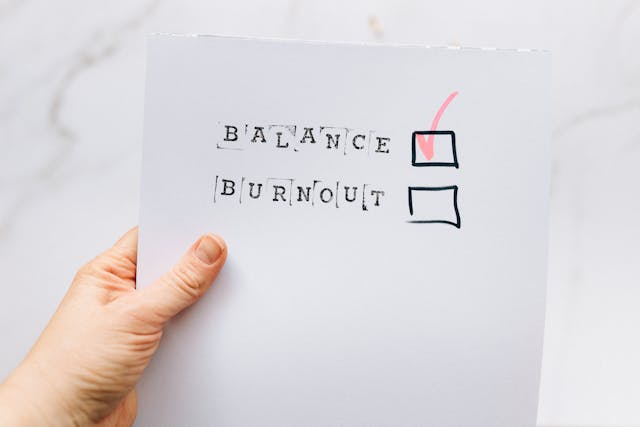
Sustainable living is a game-changer for both your wallet and the planet. By managing your money wisely, cutting down on unnecessary expenses, and making eco-friendly choices, you set yourself up for long-term financial stability and contribute to a healthier environment. It’s about finding the balance between living well today and securing your future tomorrow.