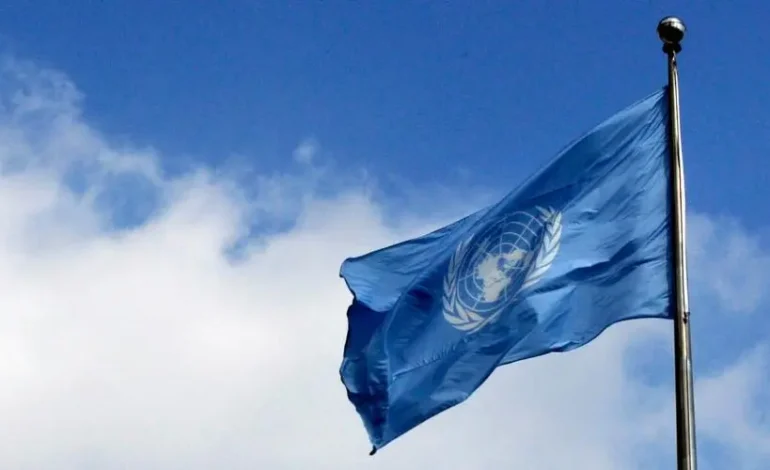
The United Nations marked 50 years since the Biological Weapons Convention (BWC) took effect, celebrating its role in banning an entire category of weapons of mass destruction. This historic treaty remains a crucial safeguard against biological threats.
A Testament to Global Unity
Izumi Nakamitsu, the UN’s High Representative for Disarmament Affairs, emphasized that the world came together five decades ago to outlaw biological weapons. In today’s tense geopolitical climate, she warned that this moral commitment must not weaken.
Speaking to UN Member States in Geneva, Nakamitsu highlighted how the BWC continues to reflect humanity’s conscience. However, with technological advancements, new risks are emerging. She stressed the need to modernize the treaty so it can address today’s challenges effectively.
Urgent Call for Stronger Enforcement
UN Secretary-General Antonio Guterres urged all participating nations to step up efforts to strengthen the BWC. He called on states to engage actively in the Working Group on Strengthening the BWC, which focuses on compliance, capacity-building, and assistance.
Guterres described the convention as a key pillar of global peace and security. Over the past 50 years, it has played a vital role in preventing the use of disease as a weapon. He also linked the BWC to the UN’s broader vision for a safer world, as outlined in the Pact for the Future adopted last year.
Expanding Global Participation
Today, 188 countries are part of the BWC, committing to the ban on developing, producing, or using biological and toxin weapons. The treaty ensures that advancements in biotechnology serve peaceful purposes rather than fueling artificial epidemics. However, nine countries remain outside the convention, and Guterres urged them to join without delay.
The UN’s disarmament office (UNODA) is actively working to support BWC implementation, particularly in Africa. Over the last five years, its Youth for Biosecurity Fellowship has engaged 100 young scientists in efforts to prevent bioweapon threats.
Strengthening the Future of Biosecurity
As the world faces evolving health risks and geopolitical uncertainties, the BWC remains a crucial line of defense. Reinforcing this treaty is essential to ensuring that biological weapons are never used—whether in conflict, terrorism, or by accident.
Guterres called on nations to unite in protecting global security, stressing that the future of biosecurity depends on collective action. The UN continues to push for stronger enforcement, broader participation, and greater collaboration to keep biological threats at bay.