Nigeria Doesn’t Need More States—Here’s Why
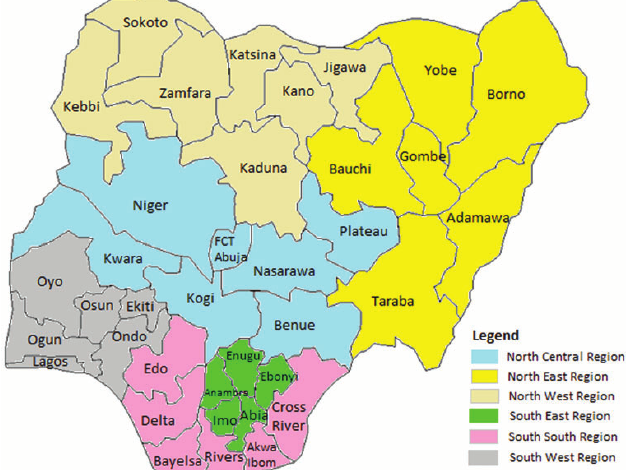
Throughout February, one topic dominated political discussions across Nigeria: the proposal to create new states. The House of Representatives Committee on Constitution Review sparked nationwide debates after proposing the creation of six new states for North Central, four for North East, five for North West, five for South East, four for South-South, and seven for South West—bringing Nigeria’s total to 67 states. By comparison, if approved, would make Nigeria’s states outnumber those in the United States, a country with far superior economic strength and larger landmass.
But is this what Nigeria really needs? While the idea may seem like a solution to issues such as underrepresentation, marginalization, and governance inefficiencies, the reality is that creating more states in a developing economy like Nigeria will only deepen the country’s financial burden, increase ethnic tensions, and lead to more administrative inefficiencies. In this piece, we will examine why Nigeria does not need more states, highlighting ten key challenges that come with such a move.
More States? A Bad Idea at the Wrong Time
1. Increased Cost of Governance
Nigeria is already struggling under the weight of excessive government spending. More states mean more governors, commissioners, lawmakers, and government employees, all of whom will require salaries, benefits, and allowances. Given that many existing states can barely pay workers or fund basic infrastructure, adding new states will only worsen the financial strain on the country. Instead of creating more states, the government should focus on cutting the cost of governance and ensuring efficient resource management.
2. Struggle for Federal Allocations
Many Nigerian states rely heavily on federal allocations rather than internally generated revenue. With more states competing for a share of the national budget, there will be even less money available for development projects. This could lead to an increase in state-level poverty and economic stagnation, as newly created states will struggle to sustain themselves financially.
3. Ethnic and Political Tensions
Nigeria’s ethnic and religious diversity has historically been a source of conflict, and state creation could further escalate tensions. Whenever new states are formed, some ethnic groups feel left out, leading to demands for further divisions. This cycle of agitation and fragmentation could deepen national disunity rather than resolve grievances.
4. Boundary Disputes and Communal Clashes
Whenever new states are created, boundary disputes are almost inevitable. Communities that were once united under one state will now find themselves separated by new borders, leading to conflicts over land, resources, and traditional leadership. For example, past state creations have led to violent disputes between neighboring communities, sometimes escalating into full-blown crises.
5. Duplication of Bureaucracy
Each new state will require its own government institutions—ministries, agencies, local governments, courts, and more. This duplication of bureaucracy will not lead to efficiency; rather, it will stretch resources thin and create unnecessary administrative burdens. Nigeria already has one of the largest government bureaucracies in Africa, yet services remain poor. Adding more states will only make matters worse.
6. Slow Economic Development
Instead of fostering economic growth, new states may struggle with financial instability. Many of Nigeria’s current states have weak economies and depend largely on federal allocations. New states will find it even harder to attract investors or develop industries, meaning their residents will suffer from limited job opportunities and poor economic prospects.
7. Weaker States with Poor Infrastructure
A major argument for state creation is that it will bring development closer to the people. However, experience has shown that new states often lack the necessary infrastructure to function effectively. Roads, schools, hospitals, and electricity supply are already inadequate in many existing states. Creating new states without a solid economic plan will only spread scarce resources even thinner, worsening the state of infrastructure nationwide.
8. Politicization of State Creation
State creation in Nigeria is often driven by political interests rather than genuine developmental needs. Politicians push for new states not because they will benefit citizens, but because it gives them more opportunities to secure political appointments and control government funds. This self-serving agenda means that state creation is more about political power than economic or social progress.
9. Security Concerns
Nigeria is already battling major security challenges, including terrorism, banditry, kidnappings, and communal clashes. More states will mean weaker security structures, as law enforcement agencies will have to be restructured to accommodate the new administrative boundaries. This could lead to increased crime and lawlessness, as many newly created states will lack the capacity to maintain law and order effectively.
10. Resistance from Existing States and Political Friction
The creation of new states will not be welcomed by everyone. Some regions will resist, arguing that it reduces their political influence or economic power. Others will challenge the legitimacy of the process in court, leading to long-drawn legal battles. This resistance could lead to political instability and distract from more pressing national issues such as poverty reduction and economic recovery.
The Way Forward: Strengthening Existing States Instead
Rather than creating more states, Nigeria should focus on strengthening existing ones by:
- Promoting economic diversification – States should be encouraged to generate revenue from agriculture, tourism, and industrialization instead of depending solely on federal allocations.
- Improving governance – Reducing corruption, cutting excessive government spending, and ensuring accountability in state governments will enhance development.
- Investing in infrastructure – Instead of splitting states into smaller units, resources should be channeled into building better roads, schools, hospitals, and power supply.
- Encouraging regional cooperation – Neighboring states should work together on projects that benefit multiple regions, such as industrial parks, power generation, and transport networks.
Final Thoughts: A Bad Idea at the Wrong Time
Nigeria is facing serious economic and security challenges. This is not the time to create new states. The focus should be on making existing states more viable and self-sufficient. Expanding the number of states without a clear financial and developmental plan will only weaken the country further.
Rather than chasing the illusion that new states will solve Nigeria’s problems, the government should prioritize good governance, economic growth, and infrastructural development. Until these are achieved, state creation will remain nothing more than a politically motivated distraction that does more harm than good.
In the end, Nigeria doesn’t need more states—it needs better leadership and stronger policies to make the existing ones work.