31 Demands for New States Submitted to Reps Panel for Constitutional Review
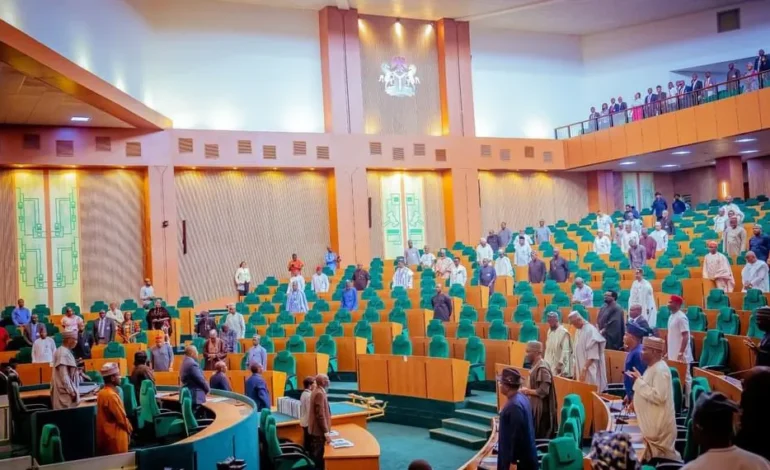
The push for new states in Nigeria is gaining momentum as the House of Representatives Committee on Constitution Review has received 31 requests for state creation in the ongoing constitutional amendment process.
Deputy Speaker and Committee Chairperson Ben Kalu made the announcement during Thursday’s plenary session. He confirmed that the panel would review all proposals in line with Section 8 of the 1999 Constitution and proceed with those that meet the required legal threshold.
Breakdown of Proposed States
The requests for new states come from different regions across Nigeria:
- North-Central: Okun, Okura, Confluence (Kogi); Benue Ala, Apa-Agba, Apa (Benue); and Federal Capital Territory State.
- South-East: Etiti, Orashi, Adada, Orlu, and Aba.
- South-South: Ogoja (Cross River), Warri (Delta), Ori and Obolo (Rivers).
- South-West: Torumbe (Ondo), Ibadan (Oyo), Lagoon (Lagos), Lagoon State (Ogun), Ijebu (Ogun), and Oke Ogun/Ife-Ijesha (Oyo, Ogun, Osun).
- North-West: New Kaduna, Gurara (Kaduna); Tiga, Ari (Kano); and Kainji (Kebbi).
- North-East: Amana (Adamawa), Katagum (Bauchi), Savannah (Borno), and Muri (Taraba).
What It Takes to Create a New State
Under Section 8 of the 1999 Constitution, creating a new state is no easy feat. It requires:
- Support from Lawmakers – Two-thirds of representatives from the proposed area, as well as both the Senate and House of Representatives, must approve the request.
- Public Referendum – At least two-thirds of the people in the affected area must vote in favor of the new state.
- Nationwide Approval – A simple majority of all Nigerian states must support the decision.
- Final National Assembly Vote – Two-thirds of both the Senate and House of Representatives must give the final approval.
The Bigger Picture
Nigeria currently has 36 states, with the North-West having the most (seven) and the South-East having the least (five). The growing calls for new states reflect long-standing demands for better representation, resource control, and governance. However, given the complex process, it remains to be seen how many of these proposals will move forward.